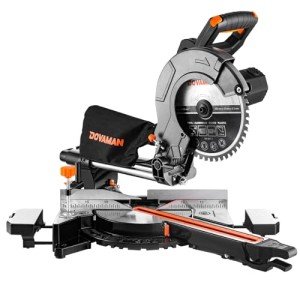
Sliding Mitre Saw with Stand: A Comprehensive Guide for Woodworkers and DIY Enthusiasts
For woodworkers and DIY enthusiasts, precision and efficiency are critical. One tool that sticks out for its accuracy and adaptability in cutting various products is the sliding mitre saw. When coupled with a stand, it becomes an even more powerful addition to any workshop. This article digs into the functions, benefits, and appropriate usage of a sliding mitre saw with a stand, providing important insights for both newbies and experienced professionals.
What is a Sliding Mitre Saw?
A sliding mitre saw, also referred to as a sliding compound mitre saw, is a specialized power tool designed for making accurate crosscuts and mitre cuts in wood, metal, and plastic. Unlike a standard mitre saw, which has actually a fixed cutting capacity, a sliding mitre saw extends the blade's reach, permitting cuts in larger products. The sliding mechanism moves the saw back and forth, allowing cuts that are deeper and more exact.
Key Features of a Sliding Mitre Saw with Stand
Blade Size and Type:
- Common Blade Sizes: 10-inch and 12-inch blades are the most common. A 10-inch blade can manage most DIY projects, while a 12-inch blade is ideal for larger, expert jobs.
- Kind of Blade: Depending on the product being cut, various kinds of blades are offered, such as carbide-tipped blades for wood and metal-cutting blades for metal and plastic.
Sliding Mechanism:
- Extension: The sliding system extends the cutting capability of the saw, enabling for cuts in products as much as 12 inches wide and 3 inches close a 12-inch blade.
- Smooth Operation: High-quality saws have a smooth sliding mechanism that lowers friction and ensures consistent, accurate cuts.
Mitre and Bevel Adjustments:
- Mitre Adjustments: Most sliding mitre saws can make cuts at different angles, usually varying from 0 to 45 degrees to both the left and right. Some models use a 52-degree mitre for more specialized applications.
- Bevel Adjustments: Bevel cuts are made by tilting the saw head. Lots of saws can bevel as much as 45 degrees to either side, with some designs efficient in dual bevel adjustments for even higher versatility.
Laser Guide and LED Light:
- Laser Guide: A built-in laser guide assists users align the cut line accurately, reducing the threat of errors.
- LED Light: An LED light brightens the cutting location, making it much easier to see the workpiece and the cut line, specifically in low-light conditions.
Dust Collection System:
- Dust Bag: Many saws included a dust bag that collects sawdust, keeping the work location tidy.
- Dust Port: Some designs have a dust port that can be connected to a vacuum or dust collection system for even better dust management.
Fence and Support System:
- Adjustable Fence: The fence can be adjusted to support different sizes and shapes of products, guaranteeing stability during cutting.
- Support group: A stand often includes built-in support group, such as side extensions and a rolling mechanism, to support bigger workpieces and help with easy motion.
Safety Features:
- Blade Guard: A retractable blade guard covers the blade when not in usage, safeguarding the user from accidental contact.
- Electronic Brake: This feature stops the blade quickly after the cut is completed, boosting safety.
- Lock-off Switch: A lock-off switch prevents the saw from being mistakenly turned on.
Advantages of Using a Sliding Mitre Saw with Stand
Increased Cutting Capacity:
- The sliding system allows for cuts in broader and thicker products, making it suitable for a wider variety of projects.
Enhanced Mobility:
- A stand with wheels makes the saw portable, allowing users to move it easily around the workshop or to different job sites.
Enhanced Stability:
- The stand provides a stable base and extra support, making sure that the workpiece remains protected throughout cutting, which is vital for achieving exact results.
Increased Efficiency:
- The combination of a sliding mitre saw and stand streamlines the cutting process, reducing setup time and increasing efficiency.
Better Work Area Management:
- The stand frequently includes functions like a built-in outfeed table, which supports the product as it is cut and lowers the risk of material drooping or falling.
Boosted Safety:
- A steady stand and incorporated safety functions minimize the risk of mishaps, making the saw more secure to use.
How to Use a Sliding Mitre Saw with Stand
Establish the Stand:
- Assemble the Stand: Follow the maker's instructions to put together the stand. Guarantee all parts are securely attached.
- Position the Stand: Place the stand on a flat, steady surface. Adjust the height and position as needed to suit the user's comfort and the size of the workpiece.
Prepare the Workpiece:
- Measure and Mark: Measure the workpiece and mark the cut line clearly.
- Secure the Workpiece: Place the workpiece against the fence and use clamps or the built-in support system to secure it securely.
Adjust the Saw Settings:
- Set the Mitre Angle: Use the mitre adjustment to set the preferred angle. Common angles consist of 0, 15, 22.5, 30, and 45 degrees.
- Set the Bevel Angle: If required, change the bevel angle to the desired tilt. stay with me include 0, 30, and 45 degrees.
Make the Cut:
- Turn on the Saw: Engage the power switch and permit the blade to reach complete speed.
- Slide and Cut: Slowly slide the saw forward along the significant cut line. Maintain a consistent, controlled motion to make sure a clean and accurate cut.
- Retract the Blade: Once the cut is total, slide the saw back to its starting position and enable the blade to come to a total stop.
Tidy up:
- Remove the Workpiece: Carefully eliminate the cut pieces from the stand.
- Clear the Debris: Use the dust collection system or a brush to eliminate sawdust and particles from the work location.
FAQs About Sliding Mitre Saws with Stand
What is the difference between a standard mitre saw and a sliding mitre saw?
- A standard mitre saw is fixed and can only make cuts up to the width of the blade. A sliding mitre saw extends the blade's reach, permitting cuts in broader materials.
What materials can a sliding mitre saw cut?
- A sliding mitre saw can cut wood, metal, plastic, and other composite materials, depending on the type of blade utilized.
How do I choose the ideal blade for my sliding mitre saw?
- Select a blade based upon the material you are cutting. For wood, a fine-tooth carbide-tipped blade is ideal. For metal, utilize a metal-cutting blade, and for plastic, a blade with a lower tooth count is advised.
What safety precautions should I take when utilizing a sliding mitre saw?
- Always wear safety goggles, utilize a blade guard, and keep hands and loose clothing far from the blade. Guarantee the workpiece is securely clamped and the stand is steady.
How do I maintain my sliding mitre saw with stand?
- Frequently tidy the saw and stand, look for loose parts, and oil moving components. Replace the blade when it becomes dull or harmed.
A sliding mitre saw with a stand is an essential tool for anyone associated with woodworking or DIY projects. Its capability to manage a wide range of materials, paired with improved stability and mobility, makes it a versatile and efficient addition to any workshop. By understanding its functions and proper usage, users can maximize the performance and safety of this effective tool, attaining professional-grade outcomes in their projects. Whether you are a beginner or a seasoned professional, a sliding mitre saw with stand is a financial investment that will pay off in precision, efficiency, and security.